Table of Content
Focus on what matters. BIXO handles the rest!

Managing a project can be challenging, especially when keeping costs under control. Without proper planning, teams can overspend, waste resources, and face delays or other project challenges. Project cost management helps solve these issues. It allows you to plan, estimate, and control project expenses so you can stay within budget, use resources wisely, and complete projects successfully.
In this blog, you will learn what project cost management is, why it matters, and how you can create an effective cost plan for your projects.
What Is Project Cost Management?
Project cost management is the process of planning, estimating, budgeting, and controlling the cost of a project. It keeps projects within the budget and utilises resources effectively, and provides the expected results.
When you regularly check your project costs, it becomes easier to make the right decisions, adjust spending on time, and avoid unexpected issues. This helps you stay in control of the budget and gives everyone confidence that the project is on track.
Why Is Project Cost Management Important?
Keeping track of project costs is essential for success. Poor cost management can quickly lead to overspending, wasted resources, and unnecessary stress for your team.
According to PMI’s 2016 Pulse of the Profession report, organisations lose 12% of every $1 billion in project investment due to poor project performance, resulting in significant financial waste. This highlights how common and costly overspending can be and reinforces why proper cost management is essential.
Here’s why cost management matters:
- Prevent Overspending: Overspending can waste time, lower the quality of work, and create stress for the entire team. Proper cost management helps the team use money wisely and manage resources efficiently throughout the project.
- Stay Within Budget: Without a clear budget, it's hard to control expenses and stay within limits. A defined budget gives your team clear guidance on spending and helps avoid surprises.
- Manage Multiple Tasks Efficiently: Teams managing many tasks at once face a higher risk of overspending. Cost management helps prioritise resources and ensures the project runs smoothly, even with multiple activities happening simultaneously.
- Prevent Overspending: Overspending can waste time, lower the quality of work, and create stress for the entire team. Proper cost management ensures the project uses money wisely and efficiently.
How to Create a Project Cost Management Plan
To build a strong cost management plan, outline a clear process for estimating, monitoring, and controlling expenses throughout the project.
Here are the key steps:
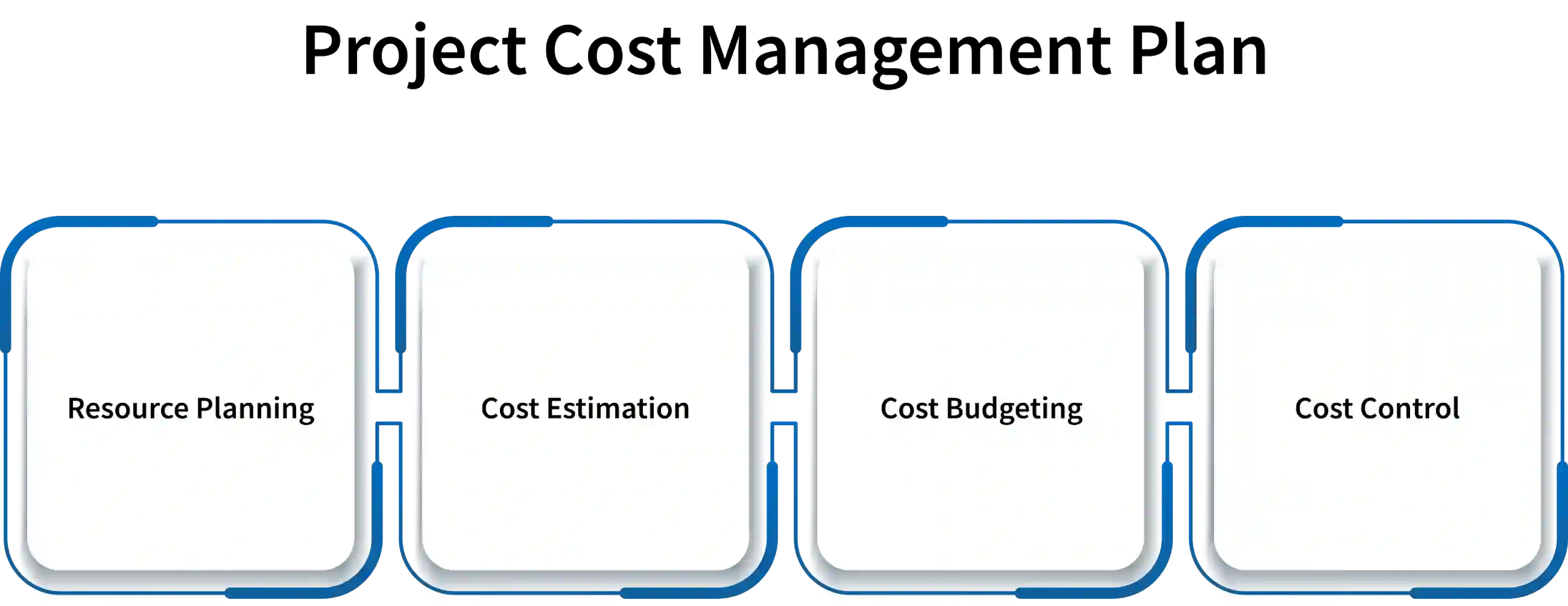
Resource Planning
Resource planning is the process of identifying all the resources required to complete a project successfully. This includes personnel, materials, equipment, and any other inputs needed to accomplish project tasks.
Start by listing all the tasks and activities in your project. Then identify the resources each task needs, including who will do the work, what materials the team will use, and which tools or equipment they will require. This step helps you understand the full scope of your project and prepares you to estimate costs more effectively.
Cost Estimation
Cost estimation is the process of figuring out how much each resource in your project will cost. This includes costs for people, materials, equipment, vendors, and any other expenses, giving you a clear idea of the total project spending.
Review all the resources identified during resource planning. Then determine the cost for each resource, including how much you will pay for personnel, materials, tools, or services. Include any additional expenses or potential risks that might come up. This step gives you a realistic picture of your project’s total cost and helps in preparing an accurate budget.
Cost Budgeting
Cost budgeting is the process of consolidating all estimated costs into a complete project budget. It defines how much the project will spend on each task or phase and sets aside extra funds to cover unexpected costs.
Once you have all your cost estimates, combine them to create the full project budget. Assign costs to each task or phase so you can track spending more easily. Including extra funds for unexpected expenses ensures that your project stays on track even if additional costs occur. This step provides a clear financial plan and acts as a reference for managing expenses throughout the project.
Cost Control
Cost control means keeping track of the money spent on a project compared to the budget. It helps you spot any differences, make changes when needed, and keep the project on budget while reaching its goals.
As the project progresses, regularly check how much you have spent compared to your budget. If costs go over the budget, adjust by moving resources or updating your plan to stay on track. This step ensures the project stays within budget and helps achieve the desired outcomes successfully.
What Are the Benefits of Project Cost Management?
Effective project cost management helps you stay on budget, make informed decisions, and utilise resources effectively. It makes sure that your project is running smoothly and meets its objectives.
Here are the key benefits:
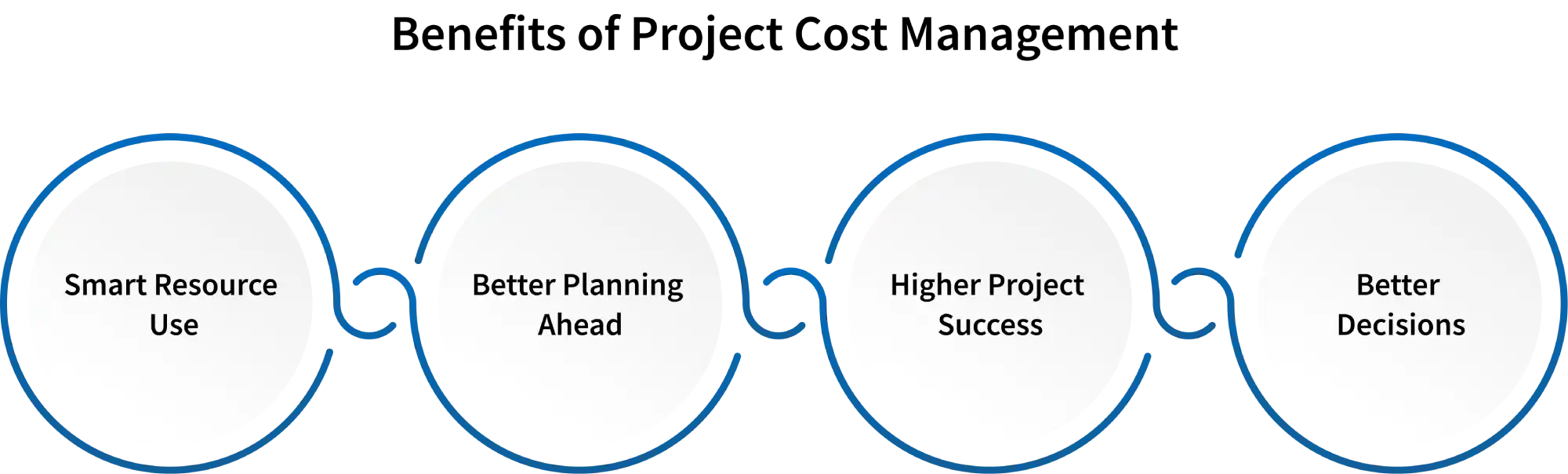
Use Resources Wisely
When you understand how you use your money and resources, you manage your team and tools better and reduce waste. This also helps prevent delays and makes sure everyone has what they need to do their work smoothly.
Plan Better for the Future
Cost management helps you understand what went well and what didn’t, so planning your next project becomes simpler and more accurate. It also gives you a clearer idea of how much you should budget for similar tasks in the future. With this clarity, you can avoid last-minute changes and prepare your team better for upcoming work.
Increase Project Success
Managing costs well increases the chances that your project finishes on time, stays within budget, and delivers the results you want. It builds confidence with stakeholders and keeps expectations clear. Better control over expenses helps you avoid surprises and respond to problems quickly. This clarity and stability make your projects mor
What Are the Challenges of Project Cost Management?
Managing project costs looks simple at first, but in reality, it can be tricky. Small mistakes can quickly cause delays and overspending. Here are some common challenges you might face:
- Unclear Requirements: When the project scope is unclear or keeps changing, it becomes difficult to estimate costs accurately. This can lead to budget issues, so define requirements clearly and update the team whenever something changes.
- Outdated Tools and Processes: Without modern tools that show real-time spending, unexpected costs can appear. This makes it harder to control the budget, track expenses, and avoid overspending.
- Unexpected Delays: When the project takes longer than planned, you’ll pay more for extra time, effort, and resources. These delays can affect other tasks, slow progress, and increase stress if not handled properly.
How BIXO Helps in Project Cost Management?
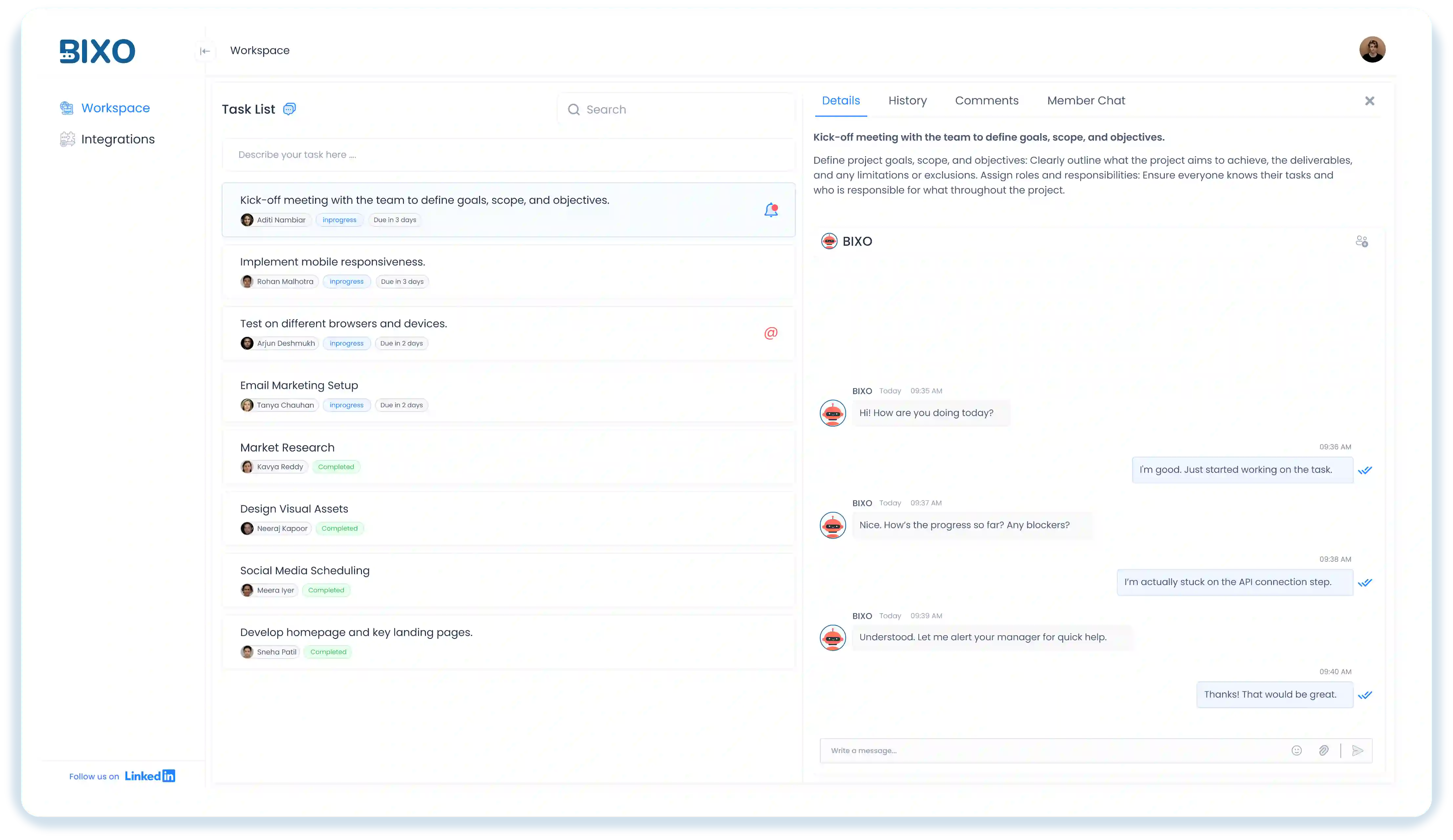
BIXO makes managing project costs easier by keeping everything organised and visible in one place. Instead of guessing where money is going or chasing updates, you get clear insights that help you stay on budget.
Here’s how BIXO supports smart cost management:
- Clear visibility across projects: Whether you’re handling one project or many, BIXO shows workload, progress, and any difficulties in a single dashboard. This helps you make better financial decisions without confusion.
- Real-time progress tracking: You can track task updates instantly. If a delay or issue appears, you can act early and prevent costs from increasing.
- Better resource allocation: BIXO helps managers assign the right people to tasks, ensuring time and effort are used efficiently. This reduces extra spending and keeps work moving smoothly.
Conclusion
Project cost management is not all about tracking numbers. It helps you guide your projects, stay organised, and keep control over your budget. Early cost planning, tracking expenses, and making corrections along the way will minimise risks and improve outcomes. Whether it’s a small task or a large team project, knowing where your money goes gives you confidence in achieving the results you want.
Tools like BIXO make this process even easier by giving you visibility, helping you plan better, and ensuring no effort or budget goes to waste. When you combine good planning with AI tools, you can finish your projects on time, stay within budget, and achieve the goals you expect.
FAQs
Yes. Tools provide additional visibility, automation for tracking, and allow you to react quickly to the cost changes.
It must be checked frequently, not just at the end. Regular reviews make you identify areas you are spending too much on and correct them before it is too late.
Effective communication, frequent updates and project tracking tools can ensure that everybody is on track.
Projects may face delays, reduced quality, or require extra funding. Managing costs early helps avoid these issues.
Get a demo of BIXO

Recommended Blogs
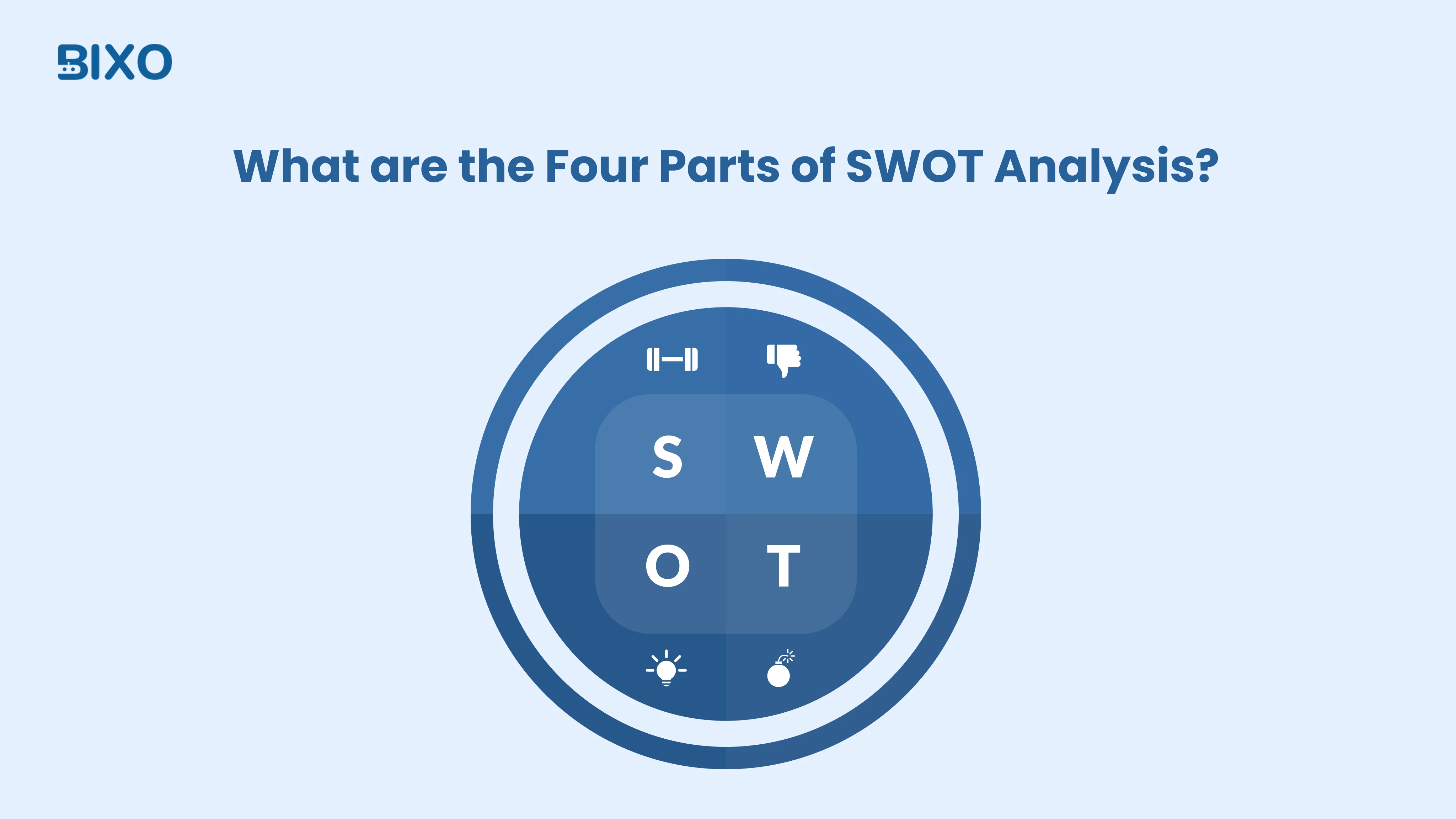
SWOT Analysis: The Four Key Parts with Practical Examples
Want to make smarter business decisions? Understand your business with a SWOT analysis, covering strengths, weaknesses, opportunities, and threats.
 Bhuvana Bitra |
 Oct 17, 2025
How to Delegate Tasks Effectively: 7 Tips for Managers
Learn how to delegate tasks effectively, save time, and boost team productivity with step-by-step tips, real examples, and smart AI tools.
Bhuvana Bitra |
Oct 17, 2025
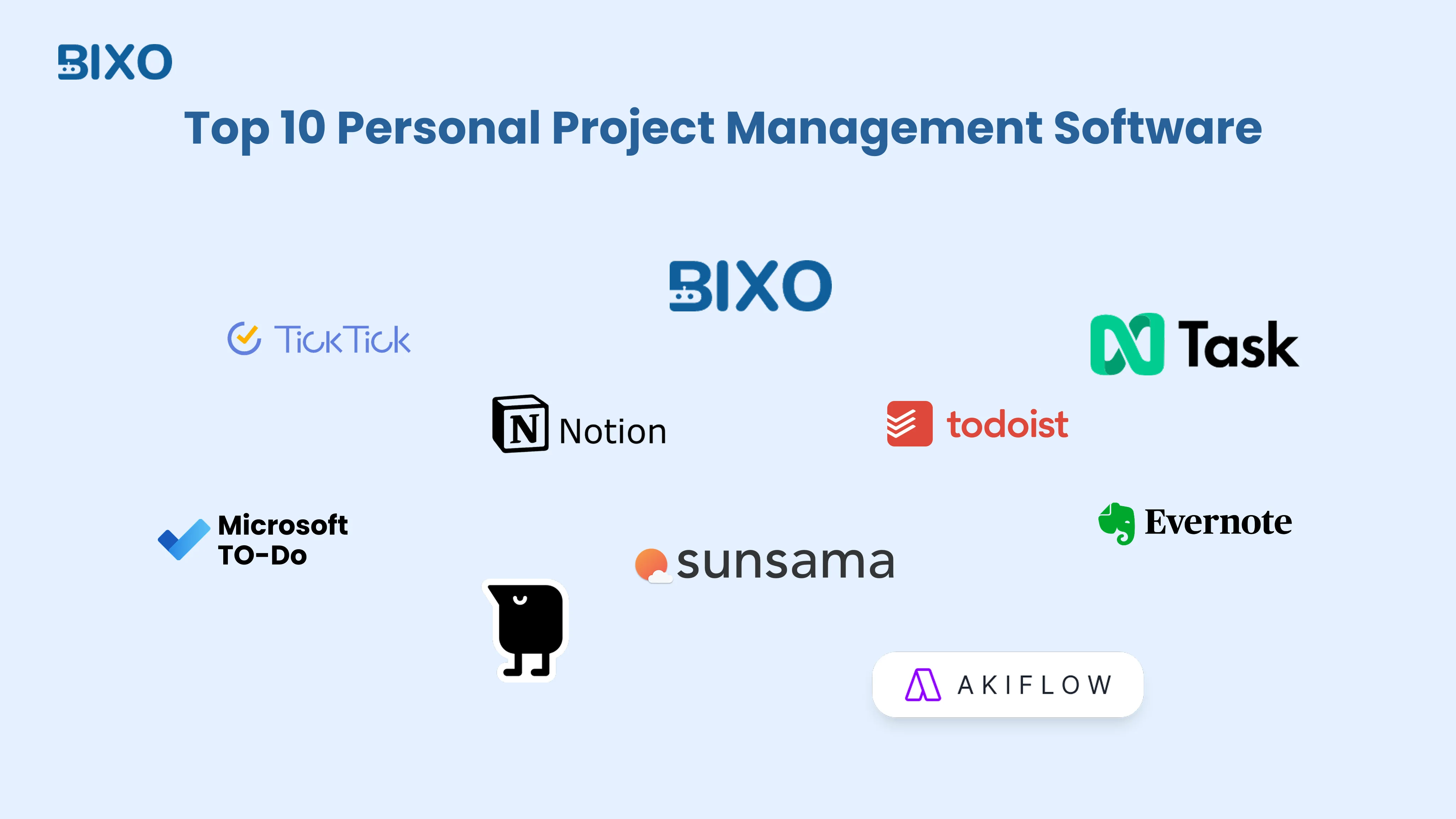
Top 10 Personal Project Management Software You Must Know
Check out the best personal project management software to plan, organise, and track your daily tasks efficiently and improve focus and productivity.
Bhuvana Bitra |
Nov 28, 2025
×
Focus on what matters. BIXO handles the rest!